
Beyond PCOS: Glycation, Sugar-Processing Divergence, and Ovarian Fibrotic Remodelling
Discussing PMOS, divergent genomics, glycation mechanisms and clinical endpoints
BIOLOGYMETABOLISMEPIGENETICS
Alexandra Chambers
5/14/20264 min read
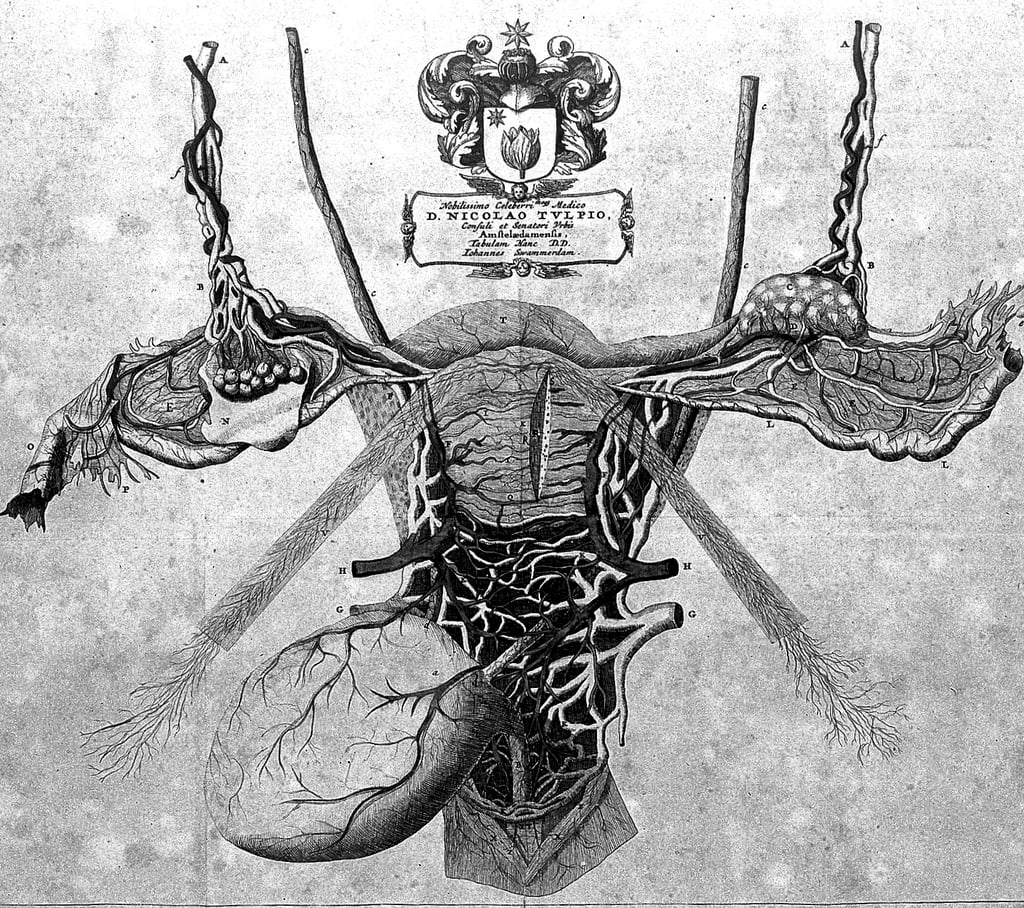
The renaming of polycystic ovary syndrome to polyendocrine metabolic ovarian syndrome (PMOS) is important because it finally moves the condition away from the misleading idea that it is mainly about ovarian cysts. The new name acknowledges that the condition involves endocrine, metabolic and ovarian dysfunction, affecting an estimated 1 in 8 globally.
Unfortunately, the new name still does not identify the deeper mechanism.
PMOS describes the systems involved: multiple hormones, metabolic dysfunction and ovarian disturbance. It does not explain why those systems become dysregulated in the first place. A more mechanistic interpretation is that PMOS may represent a sugar-processing and glycation-driven remodelling syndrome, where underlying genomic and metabolic differences make some less able to tolerate refined carbohydrate load, insulin stress, oxidative pressure and chronic inflammatory signalling.
In this model, the ovary is one of the tissues where the deeper metabolic disruption becomes visible.
Not everyone handles sugar in the same way. Some people can consume refined carbohydrates for years with fewer obvious consequences, while others develop insulin resistance, inflammation, weight changes, acne, irregular cycles, androgen excess, fatigue, mood instability, or ovarian dysfunction much earlier.
The difference may reflect underlying divergent genomics in glucose transport, insulin signalling, mitochondrial function, antioxidant capacity, glycation defence, glycosylation, endocrine sensitivity and inflammatory threshold.
Important genomic systems may include insulin-signalling genes such as INSR, IRS1, IRS2, TCF7L2, PPARG, GCK/GCKR, SLC2A2, SLC2A4, KCNJ11, ABCC8, ADIPOQ and MTNR1B; glycation and oxidative-stress defence genes such as AGER, GLO1, SOD2, GPX1, CAT, GSTs, NFE2L2; and glycosylation genes such as PMM2, MPI, PGM1, ALG genes, SLC35 family genes, MGAT genes and B4GALT genes. Congenital disorders of glycosylation (CDG) show how profoundly altered glycan synthesis and processing can affect multisystem biology, although subtler sugar-processing vulnerability (heterozygous) may not meet criteria for a classic CDG diagnosis.
So the relevant question is do these divergents have the biological capacity to process refined sugar without triggering insulin resistance, glycation stress, oxidative stress, inflammation and tissue remodelling? For those susceptible, refined sugar may function less like ordinary fuel and more like a repeated synthetic biochemical stressor.
Glycation is the uncontrolled binding of sugar to proteins, fats or DNA. Unlike glycosylation, which is a regulated enzymatic process, glycation is more chaotic; it is a damage process.
Over time, glycation produces advanced glycation end-products, or AGEs. AGEs can accumulate in tissues, activate inflammatory signalling through receptors such as RAGE (the receptor for advanced glycation end-products), increase oxidative stress and contribute to structural tissue damage.
This is directly relevant to PMOS. Reviews report that those with PCOS have elevated AGE levels, and that AGEs accumulate in ovarian tissue, where they may contribute to abnormal steroidogenesis, disrupted follicle development, insulin resistance, oxidative stress and inflammation.
So glycation is the bridge between metabolic dysfunction and tissue damage.
The pathway looks like this:
sugar-processing difference (divergent genomics)
→ insulin resistance
→ increased glucose and insulin pressure
→ glycation
→ AGE accumulation
→ RAGE activation
→ oxidative stress
→ mitochondrial strain
→ inflammation
→ extracellular-matrix remodelling
→ ovarian dysfunction
This explains why PMOS is not purely metabolic and not only ovarian. The ovarian features may be the reproductive expression of systemic glycation and inflammatory remodelling. Insulin resistance as part of the loop and insulin resistance is one of the most recognised features of PCOS/PMOS. However, insulin resistance should not be treated as a standalone cause; it is part of a loop.
When cells become less responsive to insulin, the pancreas produces more insulin to compensate. Higher insulin can stimulate ovarian androgen production. Higher androgens can disrupt follicle maturation and ovulation. Irregular ovulation reduces progesterone stability. This can worsen inflammation, sleep, mood, metabolic control and endocrine regulation. Meanwhile, high glucose and insulin stress increase glycation, which increases AGEs, oxidative stress and inflammatory signalling. That then worsens insulin resistance further.
So the loop becomes:
insulin resistance → androgen excess → ovulatory disruption → progesterone instability → metabolic stress → glycation → inflammation → worse insulin resistance.
PMOS is therefore a self-reinforcing endocrine-metabolic loop.
If glycation, oxidative stress and inflammation continue for long enough, the outcome is not only biochemical dysregulation. Tissue structure can change.
Fibrotic remodelling means the tissue becomes altered through excess extracellular matrix deposition, collagen cross-linking, stiffness, scarring-like changes or impaired repair. In ovarian tissue, that matters because follicle development, ovulation and steroid hormone production all depend on a precise tissue environment.
Ovarian extracellular-matrix dysregulation is already being discussed in PCOS research.
A review Liu et al. (2025) describes abnormal ovarian ECM remodelling in PCOS and notes overexpression of lysyl oxidase, an enzyme involved in collagen cross-linking. A human reproduction study also found that LOX overexpression (lysyl oxidase; LOX helps turn soft, flexible connective tissue into stronger, stiffer, more cross-linked tissue) was present in PCOS ovaries and that blocking LOX activity improved polycystic ovary morphology and anovulation in experimental models.
That recognises that the ovary in PMOS may be structurally remodelled under inflammatory, glycation and collagen-cross-linking pressure.
The mechanism:
glycation and AGEs → oxidative stress → inflammatory cytokines → TGF-β / fibrotic signalling → LOX activation → collagen cross-linking → ovarian stromal stiffness → impaired follicle maturation → anovulation and androgen excess.
The follicles are therefore not the cause. They may be the visible reproductive outcome of a stiffened, inflamed, metabolically stressed ovarian environment.
This does not mean every carbohydrate is harmful. Whole fruit, fibre-rich foods, resistant starches, legumes and lower-glycaemic whole-food carbohydrates behave differently from refined sugar and ultra-processed foods. The issue is whether the person’s body can maintain glucose and insulin stability without triggering glycation and inflammatory damage.
PMOS care should prioritise glucose stability, reduced refined sugar exposure, lower dietary AGE burden, improved mitochondrial function, and anti-inflammatory nutrition, for protection against ovarian fibrotic remodelling.
Study Identifier: https://doi.org/10.1186/s13036-025-00533-9
Image Credit: Wellcome Library, London. wellcome Images images@wellcomeimages.org Female Reproductive organs. Miraculum fabrica Jan Swammerdam Published: 1672
Contact
Reach out with questions or collaboration ideas.
AChambers@divergentgenomics.org
© Alexandra Chambers 2026. All rights reserved.